
Baked vegetable cutlets are my go-to when I want to turn odds and ends from the fridge into something satisfying. There’s this quiet joy in mixing up leftover carrots, zucchini, or even a forgotten sweet potato, then shaping them into something crispy and golden. Baking these instead of frying keeps them lighter, but still gives that crispy edge that makes every bite feel special.
It’s not just about reducing waste; it’s about giving new life to vegetables that might otherwise be tossed. I find the process strangely meditative, tossing chopped bits with herbs and spices, then shaping and baking. The smell that wafts through the kitchen—warm, earthy, a little smoky—sort of makes the whole day feel a little simpler, a little better.
Plus, these cutlets are versatile enough for any meal—lunch, dinner, or a hearty snack. They’re forgiving, too, forgiving enough for a cook who’s maybe a little tired and just wants something nourishing without fuss. It’s a recipe that feels honest and practical, perfect for those days when you want comfort without complicating your life.
Focusing on how baked vegetable cutlets can be a comforting, nourishing way to creatively reduce kitchen waste by using leftover vegetables and odds and ends from the fridge.
The story behind this recipe
- This recipe was born out of a messy Sunday afternoon, when I looked into the fridge and saw a jumble of odds and ends—half a zucchini, some carrots, bits of onion—and thought, why not turn this chaos into something comforting? I’ve always loved the idea of transforming leftovers into a warm, hearty meal that’s both satisfying and waste-conscious.
- There’s a bit of a nostalgic pull here—these cutlets remind me of childhood snacks, simple and straightforward, but with a modern twist of baking instead of frying. I remember the first time I got the technique right, the smell of toasted spices mingling with roasted vegetables, filling the kitchen with a welcoming aroma. That moment made me realize how much joy can come from repurposing what we already have, just with a little care and patience.
- heading:
Ingredient breakdown: key components
- Carrots: I love how their natural sweetness becomes more pronounced when roasted; you can swap in parsnips for a milder, earthier tone.
- Zucchini: It adds moisture and a mild flavor that balances the spices; if you prefer a firmer bite, squeeze out excess water thoroughly.
- Onion: The aromatic base that deepens flavor during roasting; red onion gives a sweeter, milder note, while yellow adds a more robust aroma.
- Breadcrumbs: They give the cutlets structure and crispness; for gluten-free, use crushed almonds or gluten-free crackers instead.
- Eggs: They act as the binder; for a vegan version, mashed chickpeas or flaxseed meal mixed with water work well, though the texture shifts slightly.
- Herbs & Spices: I use cumin and coriander for warmth and depth; fresh herbs like cilantro or parsley brighten the flavor, especially when added at the end.
- Oil: A light brush of olive oil helps achieve an even golden crust; if you want less fat, use a spray or brush sparingly, but expect a less crispy exterior.
Spotlight on key ingredients
Carrots:
- Their natural sweetness intensifies when roasted, adding a mellow, oozy contrast to the savory spice mix. If you prefer a firmer bite, try parsnips for a subtle earthiness.
- Zucchini: It’s a moisture hero that keeps the cutlets tender. Squeeze out excess water thoroughly, or they might be too crumbly. The mild flavor blends seamlessly into the mix, offering a slight freshness.
Breadcrumbs & Eggs:
- Breadcrumbs: They give structure and crunch, turning soft vegetables into crisp bites. Use gluten-free crackers or crushed almonds for a gluten-free, nutty alternative that still crisps up nicely.
- Eggs: They act as the glue that holds everything together. For vegan versions, mashed chickpeas or flaxseed mixed with water work, but expect a slightly softer, less cohesive texture.
Notes for ingredient swaps
- Dairy-Free: Use mashed avocado or vegan cheese instead of cheese for a creamy texture without dairy, though flavor shifts slightly towards earthier notes.
- Gluten-Free: Swap regular breadcrumbs for crushed almonds or gluten-free cracker crumbs—these add a nutty flavor and slightly denser bite.
- Egg-Free: Replace eggs with mashed chickpeas or flaxseed meal mixed with water; expect a slightly softer, less binding texture.
- Vegetable Variations: Sweet potatoes add sweetness and moisture, while cauliflower offers a milder, more neutral base; adjust spices accordingly.
- Herbs & Spices: Fresh basil or mint can replace cilantro or parsley for a different aroma, but may alter the overall flavor profile.
- Oil: Light brushing with sesame oil creates a nutty aroma, but olive oil or avocado oil are good neutral alternatives for crispness.
- Add-ins: Chopped nuts or seeds can add crunch and nutrition but may require a slight reduction in breadcrumbs to prevent over-dense cutlets.
Equipment & Tools
- Baking sheet: To hold the cutlets while baking evenly.
- Parchment paper: Prevents sticking and makes cleanup easier.
- Mixing bowl: To combine and shape the vegetable mixture.
- Fork or potato masher: To mash vegetables uniformly.
- Spatula or brush: To turn and lightly oil the cutlets.
Step-by-step guide to baking cutlets
- Preheat your oven to 200°C (390°F). Gather a baking sheet and line it with parchment paper to prevent sticking.
- Prepare your vegetables: chop leftover carrots, zucchini, and any odds and ends into small, uniform pieces, about 1-2 cm. Set aside.
- In a large mixing bowl, mash the vegetables slightly with a fork or potato masher to break them down. If they’re very watery, squeeze out excess moisture with a clean cloth.
- Add half a cup of breadcrumbs, one beaten egg (or vegan binder), a teaspoon each of cumin and coriander, and chopped herbs like parsley or cilantro. Mix until well combined. The mixture should hold together when pressed; if too crumbly, add a splash more egg or binder.
- Shape the mixture into small, flat cutlets, about 2-3 inches in diameter, and place them on the prepared baking sheet. Slightly flatten each to ensure even cooking.
- Brush or spray the cutlets lightly with olive oil for a crispy exterior. Bake in the preheated oven for 20-25 minutes, flipping halfway through, until golden brown and firm around the edges.
- Once baked, let the cutlets rest on a cooling rack for 5 minutes. They firm up as they cool, making them easier to handle.
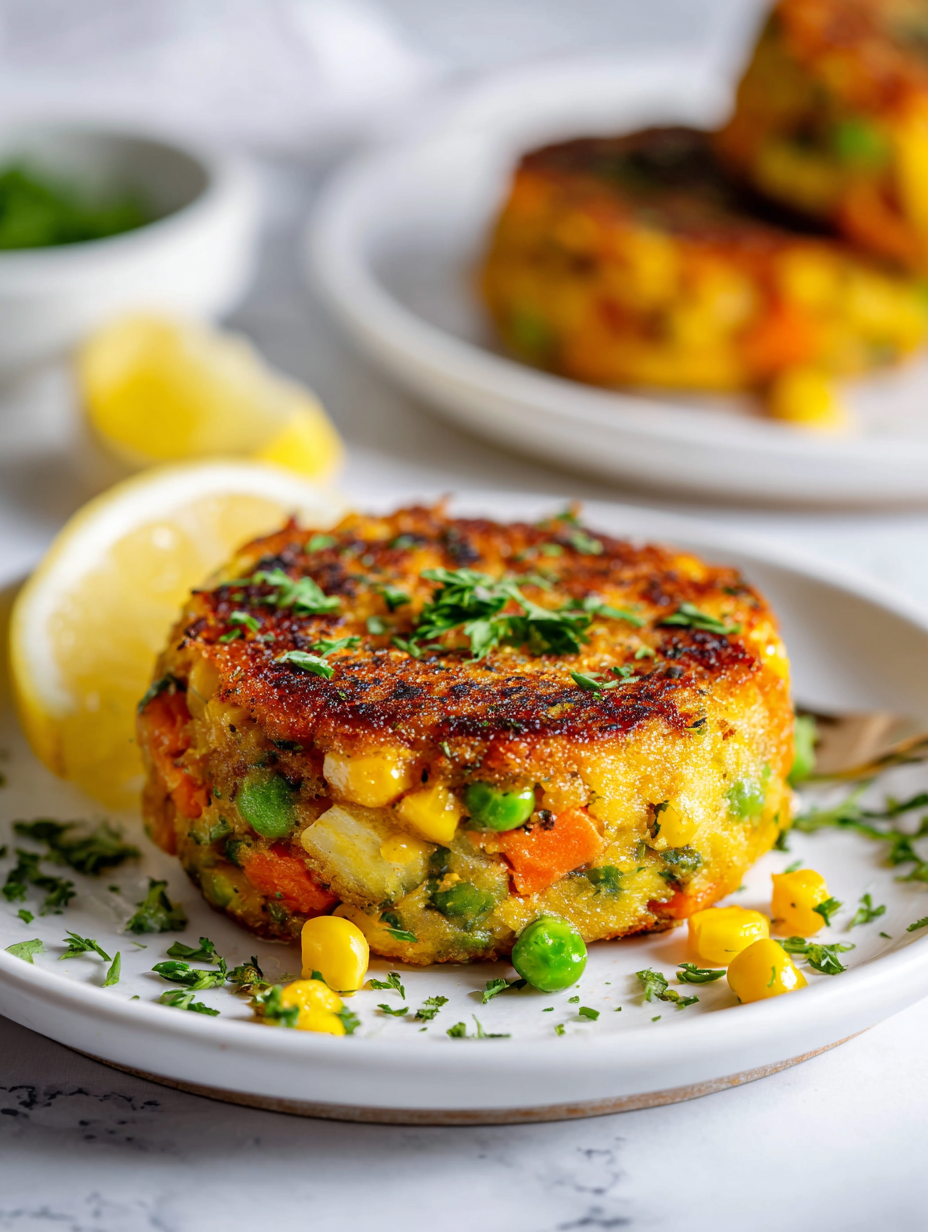
- Serve hot, with a squeeze of lemon or your favorite dipping sauce. They should be crispy on the outside, tender inside, with a warm, earthy aroma.
Let the cutlets cool slightly on a rack before serving. This helps maintain their crispness. Plate with fresh herbs or a squeeze of lemon for added brightness.
How to Know It’s Done
- Golden-brown crust with some crispiness around the edges.
- Cutlets hold shape when gently pressed; not too soft or crumbly.
- Internal temperature around 75°C (165°F) for safety and proper cooking.
Baked Vegetable Cutlets
Ingredients
Equipment
Method
- Preheat your oven to 200°C (390°F) and line a baking sheet with parchment paper.
- Chop your leftover vegetables into small, uniform pieces, about 1-2 cm, to ensure even cooking and mixing.
- Place the chopped vegetables in a large mixing bowl and mash them slightly with a fork or potato masher to help break them down.
- Add the breadcrumbs, beaten egg, cumin, coriander, and chopped herbs to the bowl. Mix everything together until well combined; the mixture should hold together when pressed.
- Shape the mixture into small, flat cutlets about 2-3 inches in diameter, then place them gently on the prepared baking sheet, pressing slightly to flatten.
- Lightly brush or spray the tops of the cutlets with olive oil for a crispy, golden crust.
- Bake in the preheated oven for 20-25 minutes, flipping the cutlets halfway through, until they are golden brown and crispy around the edges.
- Remove from the oven and let the cutlets rest on a wire rack for 5 minutes to help maintain their crispness.
- Serve the baked vegetable cutlets warm, with a squeeze of lemon or your favorite dipping sauce for added flavor.
Pro tips for perfect cutlets
- Bolded mini-head: Use a gentle touch when mixing the vegetables to keep some texture and avoid turning everything into mush.
- Bolded mini-head: Keep the oven slightly cooler—around 180°C (350°F)—to prevent the cutlets from over-browning before they cook through.
- Bolded mini-head: Brush the cutlets with oil just before baking for an extra crispy, golden crust with a shiny finish.
- Bolded mini-head: If the mixture feels too wet, add a bit more breadcrumbs to help hold the shape and improve crispness.
- Bolded mini-head: Flip the cutlets halfway through baking to ensure even browning and a uniformly crispy exterior.
- Bolded mini-head: Rest baked cutlets on a wire rack for 5 minutes after oven to keep them crispy and prevent sogginess.
- Bolded mini-head: For extra flavor, sprinkle a pinch of smoked paprika or chili flakes before baking for a smoky or spicy kick.
Common mistakes and how to fix them
- FORGOT to preheat oven → Always preheat to ensure even baking and perfect crust.
- DUMPED all ingredients together → Mix ingredients just until combined to avoid dense cutlets.
- OVER-TORCHED the cutlets → Keep an eye on baking time; 20-25 mins should suffice for golden edges.
- MISSED resting time → Rest on rack for 5 mins to help crisp and set the shape.
Quick fixes for perfect cutlets
- When mixture feels too wet, splash in more breadcrumbs for stability.
- If cutlets aren’t crisp enough, increase oven temp to 220°C (430°F) and bake longer.
- Splash a little lemon juice or vinegar if cutlets taste flat or dull.
- Patch cracks by pressing the edges back together and baking a few extra minutes.
- Shield over-browned edges with foil if they shimmer too dark during baking.
Prep, store, and reheat tips
- Prepare the vegetable mixture and shape the cutlets a day in advance for a quick bake later, keeping them covered in the fridge. The flavors meld and deepen overnight, making them even more satisfying.
- Store baked cutlets in an airtight container in the fridge for up to 3 days. They retain their flavor, but the crust may soften slightly; reheating helps restore crispiness.
- Reheat in a 180°C (350°F) oven for 10-12 minutes until warmed through and crispy. Alternatively, a quick sauté in a hot pan with a splash of oil brings back some crunch and warmth.
- Frozen baked cutlets can last up to 1 month. Wrap tightly in foil or plastic, then thaw in the fridge overnight before reheating. Expect a softer exterior, so re-crisp in the oven.
- For best sensory results, reheat until the cutlets emit a faint crackle when pressed and smell fragrant with toasted spices. The texture should be firm outside and tender inside.
Top questions about baked vegetable cutlets
1. Can I use raw vegetables?
Use leftover vegetables that are cooked or raw, just chop them small. The texture and flavor will vary slightly, but it still works great.
2. How do I fix a wet mixture?
If the mixture feels too wet, add more breadcrumbs or a little oats to absorb excess moisture and hold shape.
3. How long should I bake the cutlets?
Bake at 180°C (350°F) for 20-25 minutes until golden and crispy. Flip halfway for even browning.
4. Can I skip the oil?
Use a light brushing of oil before baking to help achieve a crispy, golden crust and prevent sticking.
5. Can I freeze baked vegetable cutlets?
Yes, you can freeze uncooked cutlets on a tray, then transfer to a bag. Bake directly from frozen, adding a few extra minutes.
6. How do I reheat for crispness?
Reheat in a 180°C (350°F) oven for about 10 minutes until crisp and hot. A skillet with a little oil also works well.
7. Can I add cheese?
Use finely grated cheese or nutritional yeast for flavor boosts. For dairy-free, try vegan cheese or nutritional yeast for umami.
8. How do I prevent crumbly cutlets?
If the cutlets are too crumbly, add an extra egg or vegan binder. If too dense, don’t overmix the ingredients.
9. Can I customize the spices?
Adjust spices according to your taste. Start small and add more for a bolder flavor, especially with cumin or coriander.
10. Can I substitute dried herbs?
Use fresh herbs like parsley or cilantro for brightness. Dried herbs work but are less vibrant, so use sparingly.
These baked vegetable cutlets aren’t just a way to clear out the fridge—they’re a little act of reclaiming what’s already in your pantry. The smell of roasted vegetables mixed with warm spices can make any day feel a bit more manageable, even when things feel chaotic. They’re honest, filling, and a reminder that simple ingredients can turn into something satisfying without much fuss.
Once they’re out of the oven and cooled just enough to handle, they hold a quiet promise of comfort—crispy outside, tender inside, and packed with flavor. Whether you’re making them for a quick lunch or a casual dinner, they’re a practical, no-nonsense meal that feels good to eat. And honestly, that’s sometimes exactly what you need.
Hi, I’m Emily Carter, the creator and recipe developer behind Salt Strategist. I’m so happy you’re here. This blog is where my love for flavor, creativity, and thoughtful cooking comes together in one beautiful, ever evolving space.


