
Baking samosas instead of frying them might seem like a small twist, but it totally changes the game. No more splattering oil or lingering greasy smell—just crisp, golden pastries that feel a little lighter but still deliver that satisfying crunch. It’s a method I stumbled on during a busy week when I wanted a treat that wouldn’t clog up the kitchen or my arteries.
There’s something honest about pulling a tray of these out of the oven—seeing that perfect puffed-up shape, smelling the warm spices, and knowing I skipped the deep-fry chaos. It’s a way to enjoy that classic snack without the guilt, especially when you’re craving comfort food but want to keep it a tad healthier. Plus, they’re just as good for sharing with friends or sneaking a few for yourself when no one’s looking.
Focusing on baking instead of frying transforms the traditional samosa experience, making it less greasy and more accessible for home cooks seeking a healthier, crispy snack without sacrificing flavor.
The story behind this recipe
I first started experimenting with baked samosas during a summer visit to my aunt’s place. She’s always been creative with making traditional snacks a little lighter, and her baked version became an instant favorite. I loved how they still held that crispy exterior and spicy filling but with less guilt. It’s funny—once you get used to the oven, deep-frying feels like a relic from another time, and these just seem so much more doable on a weekday. Whenever I make them now, it’s a bit of a nostalgic nod to childhood afternoons in her kitchen, with the smells of cumin and coriander filling the air.
Ingredient breakdown: key components
- Potato: I like using starchy potatoes like Russets for a fluffy interior, but you can try sweet potatoes for a slightly sweeter, vibrant filling—just be mindful of moisture.
- Green peas: They add a pop of color and sweetness, and I prefer freezing them straight from the bag—no need to thaw; they still hold their shape and pop with a fresh burst.
- Cumin seeds: Toasted until fragrant, they give a smoky depth. Don’t skip this step, or your filling might lack that warm, earthy aroma.
- Phyllo or pastry sheets: I find store-bought puff pastry works well, but if you want a more traditional feel, filo can be crispier—watch the edges for over-browning.
- Spices (cumin, coriander, garam masala): I go heavy on garam masala for that complex warmth, but if you prefer heat, a pinch of cayenne adds a lively kick without overpowering.
- Lemon juice: Brightens the filling with a zingy contrast, so don’t skip it. A splash right before sealing the samosas keeps everything lively and fresh.
- Egg wash: A beaten egg brushed on before baking gives that glossy, golden finish—if you’re vegan, a bit of plant-based milk works, but it won’t have the same shine.
Spotlight on key ingredients
Potato:
- I prefer starchy varieties like Russets for their fluffy, almost creamy interior when mashed—look for a gentle, earthy aroma. For a sweeter twist, try sweet potatoes, but watch moisture levels to keep the filling firm.
- Green peas: Fresh or frozen, they add a joyful pop of color and sweetness. Frozen peas are a time-saver, still bright and tender straight from the freezer—no need to thaw, just toss them in for that fresh burst.
Cumin seeds & Lemon juice:
- Cumin seeds: Toast until fragrant, they release a smoky, nutty aroma that deepens the filling’s warmth. Skip this step if you’re in a rush, but your filling will lack that signature earthy kick.
- Lemon juice: Brightens everything with a zingy, citrusy punch. I like squeezing it right before sealing to keep the filling lively, avoiding that dull, flat taste.
Notes for ingredient swaps
- Dairy-Free: Use coconut yogurt or cashew cream instead of yogurt for creaminess without dairy—adds a subtle nutty flavor.
- Gluten-Free: Swap all-purpose flour for a gluten-free mix or rice paper sheets—be mindful of texture and crispiness.
- Vegan: Replace eggs with plant-based milk or a flaxseed wash—may slightly alter the shine and sealing ability.
- Low-Sodium: Use less salt and opt for unsalted butter or margarine—keeps flavor but reduces overall saltiness.
- Spicy Heat: Add extra cayenne or chopped chili to the filling—adjust according to your heat tolerance for fiery bites.
Equipment & Tools
- Baking sheet: To hold the samosas during baking.
- Paring knife or pizza cutter: To cut pastry sheets into shapes.
- Pastry brush: To apply egg wash or plant-based milk.
- Saucepan: To boil potatoes and peas.
- Mixing bowls: To combine filling ingredients.
- Cooling rack: To cool baked samosas without sogginess.
Step-by-step guide to baked samosas
- Gather all ingredients and equipment. Preheat your oven to 200°C (392°F). Line a baking sheet with parchment paper or a silicone mat.
- Prepare the filling: Boil peeled potatoes until tender, about 10 minutes. Mash slightly, then mix in cooked green peas, cumin seeds, chopped cilantro, spices, lemon juice, and salt. Set aside to cool slightly.
- Cut your pastry sheets into halves or thirds, depending on size. Keep them covered with a damp cloth to prevent drying out.
- Scoop about 1-2 tablespoons of filling onto one end of each pastry strip. Fold over into a triangle shape, sealing edges with a little water or beaten egg. Repeat for all samosas.
- Arrange the filled samosas on the prepared baking sheet, leaving space between each. Brush the tops with beaten egg or plant-based milk for a shiny finish.
- Bake in the preheated oven for 20-25 minutes. Check at 15 minutes and rotate the tray if needed for even browning. The samosas should turn golden and crisp around the edges.
- Once baked, let them rest on the tray for 5 minutes to firm up. Then transfer to a wire rack. Serve warm with chutney or yogurt.
Let the baked samosas rest for 5 minutes on a wire rack. Serve warm with your favorite chutney or yogurt for dipping. They taste best fresh but can be reheated in the oven for 10 minutes at 180°C (356°F) for crispness.
How to Know It’s Done
- Samosas turn deep golden brown and crisp at the edges.
- Filling is heated through and slightly bubbling, with a fragrant aroma.
- Pastry edges are sealed firmly without gaps, no filling oozing out.
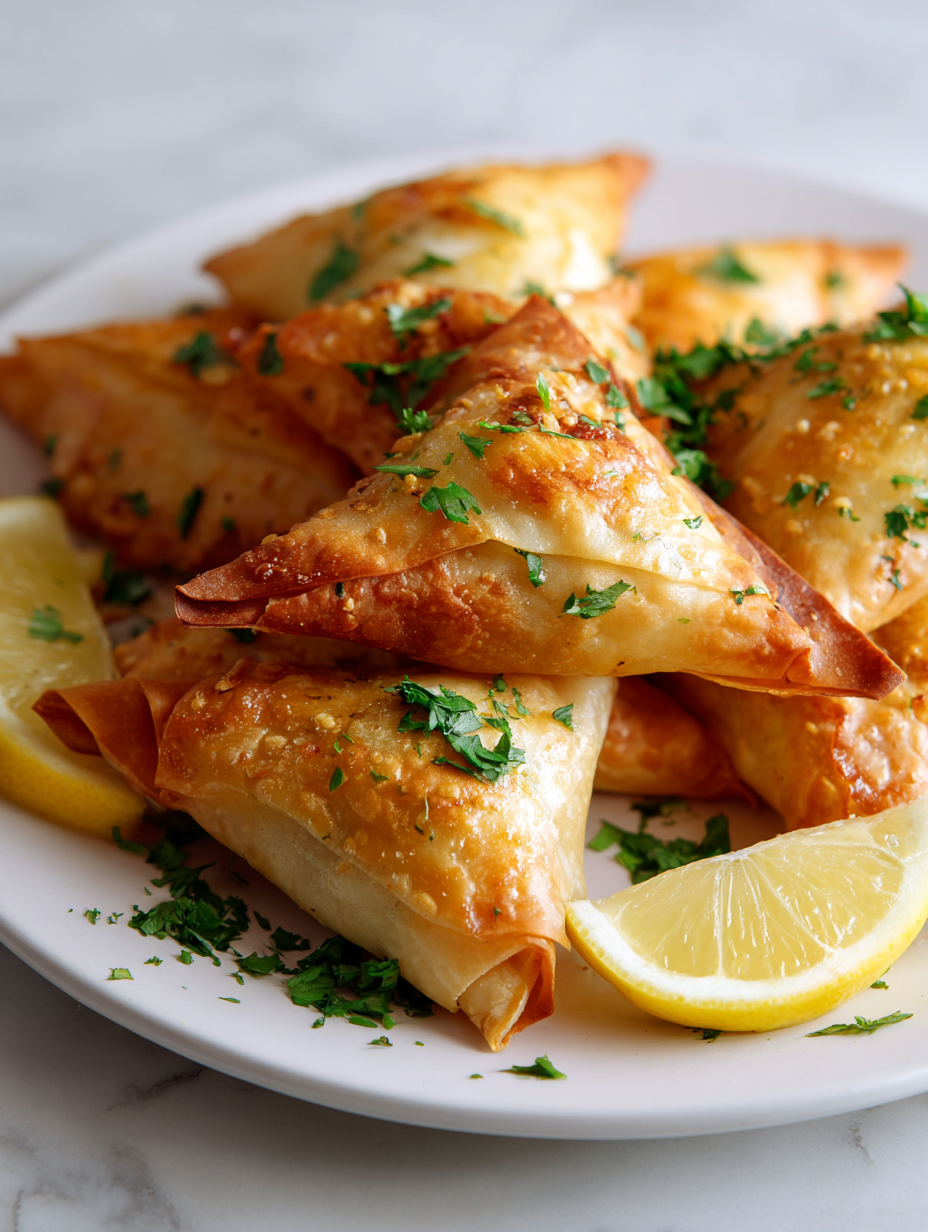
Baked Samosas
Ingredients
Equipment
Method
- Begin by boiling the peeled and diced potatoes in a saucepan of salted water for about 10 minutes, until they’re tender and easily pierced with a fork. Drain and set aside to cool slightly.
- While the potatoes cook, toast the cumin seeds in a dry skillet over medium heat until fragrant, about 1 minute. Add a tablespoon of vegetable oil to the pan, then toss in the toasted seeds to release their aroma. Remove from heat and let cool.
- In a mixing bowl, mash the cooked potatoes with a fork until smooth but still slightly chunky. Stir in the green peas, toasted cumin seeds, garam masala, coriander powder, cayenne (if using), lemon juice, and a pinch of salt. Mix well to combine all the spices evenly.
- Unroll the puff pastry sheet on a clean surface and cut it into strips about 3 inches wide. Keep the remaining pastry covered with a damp towel to prevent drying out.
- Spoon about 1 to 2 tablespoons of the filling onto one end of each pastry strip. Fold the pastry over the filling into a triangle shape, pressing gently to seal the edges. Use a little water or beaten egg along the edges if needed to ensure they stick well.
- Arrange the filled samosas on the prepared baking sheet, leaving space between each. Brush the tops with the beaten egg for a shiny, golden finish.
- Bake in the preheated oven at 200°C (392°F) for 20 to 25 minutes, until the samosas are deep golden brown and crispy around the edges. Rotate the tray halfway through to ensure even baking.
- Once baked, transfer the samosas to a cooling rack and let them rest for about 5 minutes. This helps the crust set and makes them easier to handle.
- Serve the baked samosas warm, accompanied by chutney or yogurt for dipping. Enjoy the crispy, flavorful bites that are lighter than their fried counterparts.
Pro tips for perfect baked samosas
- Bolded mini-head: Use a light hand with oil or egg wash for a crisp, shiny finish without greasiness.
- Bolded mini-head: Keep the pastry covered with a damp cloth to prevent drying out while working.
- Bolded mini-head: Seal edges well with water or egg wash to prevent filling leakage during baking.
- Bolded mini-head: Rotate the tray halfway through baking for even golden color and crispness.
- Bolded mini-head: Rest baked samosas for 5 minutes before serving to let the filling settle and avoid breakage.
- Bolded mini-head: For extra crunch, brush with a little oil before baking for a more golden, flaky crust.
- Bolded mini-head: Use a sharp knife or pizza cutter for clean cuts on pastry sheets, reducing tearing.
Common baking mistakes and how to fix them
- FORGOT to preheat oven → Always preheat for even baking and crispness.
- DUMPED filling too quickly → Fill gradually to prevent tearing pastry edges.
- OVER-TORCHED edges → Cover edges with foil if they brown too fast.
- SKIPPED sealing edges → Use water or egg wash to prevent filling from leaking out.
Quick fixes and pantry swaps
- If the samosas are pale, splash a little water on the edges before baking for extra steam.
- When filling leaks, patch with a dab of water and press edges firmly to seal.
- Splash a few drops of lemon juice if the filling tastes dull or flat before sealing.
- When samosas crack open, shield edges with foil and bake for 2 more minutes for extra crunch.
- Dumped your filling too early? Rescue with a quick stir and a pinch of extra spice to refresh flavor.
Prep, store, and reheat tips
- Prepare the filling ahead of time; store in an airtight container in the fridge for up to 2 days, where it will develop a richer spice aroma.
- Assemble the samosas a few hours in advance, keeping them covered in the fridge to prevent drying; baking straight from cold may extend baking time slightly.
- Unbaked samosas can be frozen on a tray for 1-2 hours, then transferred to a sealed bag; they keep well for up to a month and can be baked directly from frozen, adding 5-8 minutes.
- Reheat baked samosas in a 180°C (356°F) oven for 10 minutes until crisp and warmed through; expect a slightly softer texture if reheated in the microwave, which can make the crust soggy.
Frequently Asked Questions
1. How do I prevent the pastry from tearing?
Use a sharp knife to cut pastry, and keep the rest covered to prevent drying. If edges tear, seal with a bit of water or egg wash before baking.
2. What oven temperature and time are best?
Bake at 200°C (392°F) for 20-25 minutes until golden and crisp. Check at 15 minutes and rotate for even browning.
3. Can I use fresh peas or other veggies?
Use frozen peas straight from the freezer—no need to thaw. They add a fresh burst of sweetness and hold their shape during cooking.
4. How do I get that shiny, golden crust?
Brush with beaten egg or plant-based milk before baking for a shiny, golden finish. Vegan options might be less glossy but still tasty.
5. How do I prepare the filling?
Cook potatoes until tender, about 10 minutes. Mash slightly, then mix in spices and peas. Cool slightly before filling pastry.
6. Can I make these in advance?
Prepare the filling and assemble the samosas ahead. Keep them covered in the fridge for up to 2 days or freeze for up to a month.
7. What if they don’t brown enough or over-brown?
If the samosas turn pale, brush with a little water and bake a few more minutes. If edges over-brown, shield with foil to prevent burning.
8. How do I ensure the filling doesn’t leak?
Seal edges well with water or egg wash to prevent filling leakage. Rest the baked samosas for 5 minutes before serving for better texture.
9. How much filling should I use?
Avoid overstuffing the samosas—2 teaspoons of filling per pastry is enough. Overfilling causes tearing or bursting during baking.
10. How do I reheat without losing crispness?
Reheat in a 180°C (356°F) oven for 10 minutes for crispness. Microwaving can make the crust soggy, so use oven reheating for best results.
Baked samosas feel like a quiet rebellion against greasy takeout. The warm spices and flaky crust remind me of simpler times, yet they fit perfectly into today’s health-conscious, busy life. Sharing these feels like a small act of kindness, a way to bring comfort without the fuss of deep-frying.
They’re not just snacks—they’re a reminder that good food can be straightforward, cozy, and a little bit nostalgic. Plus, the smell of cumin and toasted pastry filling the kitchen makes any moment feel special, even on the busiest days. Sometimes, the most honest meals are the ones that don’t require a deep fryer or complicated steps.

At Salt Strategist, we believe food is more than just nourishment; it’s a story, a memory, and an experience meant to be shared. Our blog is dedicated to exploring the art of cooking with a focus on everyday meals, kitchen tips, and inspiring recipes that bring people closer together around the table.
Our Story
Salt Strategist was founded by Emily Carter, a passionate home cook and culinary storyteller from Portland, Oregon. Growing up in a family that valued Sunday dinners and homemade meals, Emily discovered early on that food has the power to connect hearts and cultures.
Her vision for Salt Strategist is simple: to make cooking approachable, exciting, and rewarding for everyone. Whether you are a seasoned chef or just starting your cooking journey, this blog is here to inspire confidence in the kitchen with easy-to-follow recipes, clever cooking strategies, and flavour-packed ideas.